
Mercy Core Curriculum
The Mercy Core curriculum is the foundation of a College of Saint Mary education. More than an academic requirement, it calls students to lead with courage, think with purpose, and act for justice. Rooted in the Critical Concerns of the Sisters of Mercy, the Mercy Core blends academics with action to prepare women for lives of impact.

Where Leadership Begins
The Mercy Core shapes how students learn, think, and engage with the world. Through a specific set of “general education” courses in the humanities, sciences, theology, and social systems, students build the skills to communicate clearly, analyze complex problems, and make thoughtful, ethical decisions.
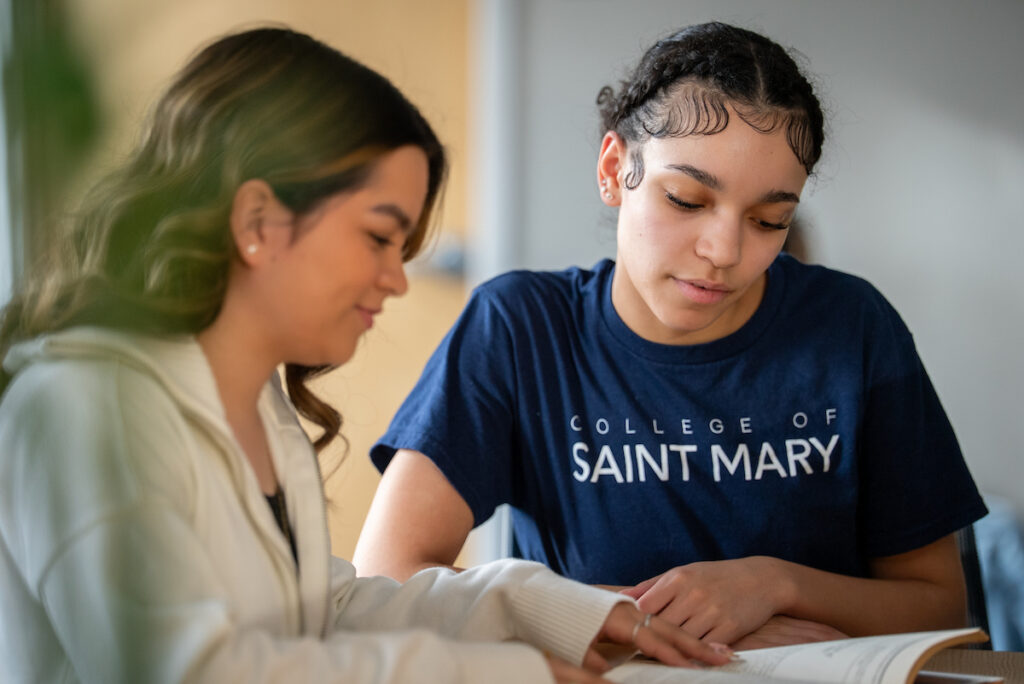
Mercy Values in Action
Rooted in the Critical Concerns of the Sisters of Mercy, students explore justice, dignity, and service while learning how their leadership can create positive change.

Leadership & Character
Courses across the humanities, sciences, and social systems help students strengthen communication, critical thinking, and ethical decision-making.
How the Mercy Core is Structured
The Mercy Core is designed to give every student a strong intellectual and ethical foundation while allowing flexibility across majors. Through a combination of signature Mercy courses, values-based learning, and core academic competencies, the curriculum connects knowledge with purpose.
Three signature courses anchor the Mercy Core experience and connect learning to the mission of the Sisters of Mercy.
CORE 101: Leading with Mercy introduces students to Mercy values and the principles of leadership grounded in compassion and justice.
CORE 199: Theology and the Critical Concerns explores faith, ethics, and the global issues emphasized by the Sisters of Mercy.
CORE 400: Women of Impact challenges students to reflect on their education and how they will use their leadership to influence their professions and communities.
Theology (3 Credits)
Theology courses are an opportunity to see how the Christian tradition, particularly Catholicism, tries to tackle the “big questions” of human life, so that students can reflect on their own deeply held values and sense of purpose. Theology courses also encourage students to observe how religion in general, and Christianity in particular, influences (and is influenced by) the wider world. Only Theology courses from a Catholic university meet the Theology requirement.
Philosophical Ethics (3 Credits)
Ethics courses approved for this requirement introduce students to, or build upon, foundational philosophical ethical theory and method, integrating those theories with particular applied ethical issues. Only philosophy courses can meet the Philosophical Ethics requirement.
The Mercy Core also develops the academic skills every student needs for success in college and beyond. Courses build abilities in areas such as writing, critical thinking, scientific reasoning, global citizenship, and understanding human behavior and social systems.
Academic Writing & Information Literacy (6 Credits)
Students learn and apply the writing process—brainstorming, drafting, revising, and editing—while developing information literacy skills such as finding, evaluating, and citing sources. Courses include multiple writing assignments that build in length and complexity, with opportunities for revision and improvement.
Creative Thinking & Expression (3 Credits)
Students develop creativity through imagination, experimentation, and artistic expression. Courses engage students in creating, sharing, and refining work while using creative thinking to explore and respond to complex ideas and challenges.
Critical Reading & Analysis (6 Credits)
Students learn strategies for reading, interpreting, analyzing, and evaluating texts. Courses emphasize understanding a text’s purpose, argument, and context while encouraging students to question both the content and their own perspectives.
Global Citizenship (3 Credits)
Students explore global issues and power structures that shape societies. Courses examine systemic inequities and the experiences of marginalized populations, with particular attention to the experiences of women.
Quantitative Reasoning (3 Credits)
Students develop mathematical reasoning and problem-solving skills. Courses introduce core mathematical principles and teach students how to apply them effectively in both familiar and new situations.
Scientific Thinking (4 Credits)
Students learn to apply scientific principles, evidence, and methods to analyze data and solve complex problems. Courses include laboratory experiences and instruction in scientific communication and analysis.
Understanding Human Behavior & Social Systems (3 Credits)
Students explore how social institutions, cultures, and interactions influence human behavior. Courses introduce social science theories and methods, using historical and contemporary data to better understand individuals and societies.
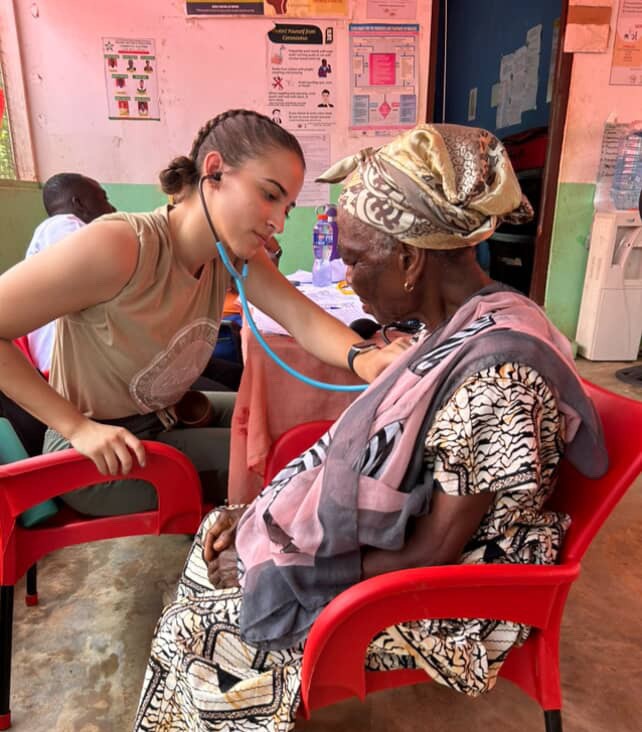

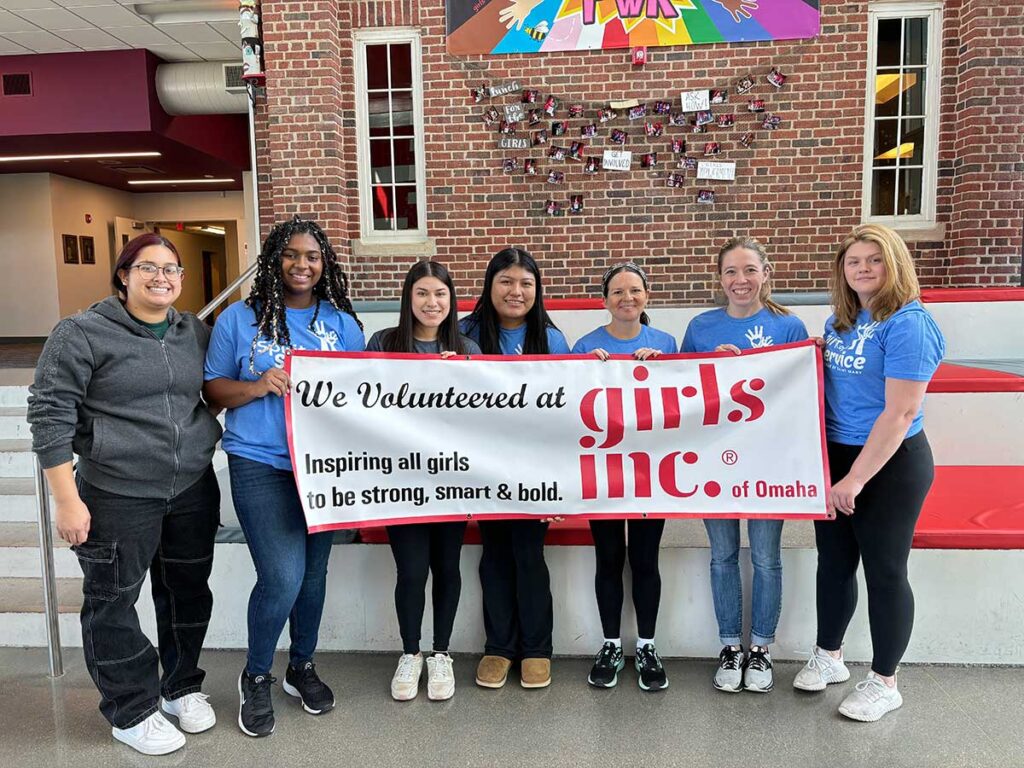

Explore Minors
The Mercy Core helps students explore new subjects, discover their interests, and build a strong foundation. Many students find their minors through these experiences, shaping a path that aligns with their goals.
Get Ready To Join Us
Wherever you’re starting from, we’ll help you build a future with confidence.